
In Silico Modelling #
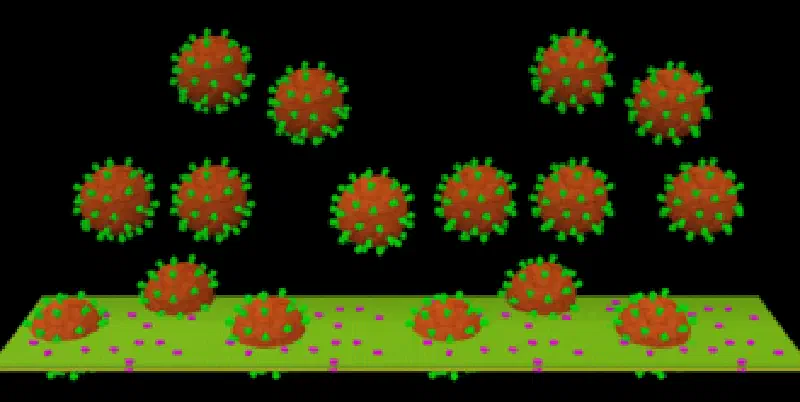
Credit: Victor Padilla-Sanchez
In silico modeling—including Physiologically Based Pharmacokinetic (PBPK) models and digital twins—simulates drug behavior in the human body, enabling virtual clinical trials and predictive toxicology. By integrating computational methods with biological data, these approaches reduce reliance on animal testing, optimize dosing regimens, and accelerate the development of safe and effective therapies.
Physiologically Based Pharmacokinetic Modeling #
PBPK models integrate in vitro data on absorption, distribution, metabolism, and excretion with physiological parameters to predict internal human exposure. The models correctly estimated systemic exposure of caffeine and coumarin, demonstrating that model-informed approaches can replace in vivo toxicokinetics. This impact has enabled virtual clinical trials and optimized dosing regimens without animal testing.1 2 3 4 5
Bioequivalence Bridging for Tofacitinib #
Pharmacokinetic/pharmacodynamic modeling was used to bridge the immediate-release formulation of tofacitinib to a new extended-release version. The computational model successfully established bioequivalence, satisfying regulatory safety and efficacy requirements without further animal testing. This supported FDA approval while avoiding new Phase 3 clinical trials, accelerating patient access to the formulation.6 7
Digital Twins for Clinical Trial Simulation #
Digital twins are virtual representations of individuals that integrate clinical, genetic, and environmental data to revolutionize clinical trial design. Simulation of treatment strategies before patient enrollment has been shown to reduce both risks and costs. This technology could eventually eliminate the need for many traditional clinical trials by predicting patient-specific responses.8 9 10 11
Quantitative Systems Pharmacology Models #
QSP models combine mechanical simulations of physiology with molecular signaling pathways to predict immunogenicity and pharmacokinetics of complex biologics. The FDA highlighted QSP as a vital tool to reduce reliance on animal testing for “what-if” development scenarios. The use of these models has accelerated the development of biologics and personalized medicine.12 13
AlphaFold Predicts Protein Structures #
AI-based prediction of protein 3D structures from amino acid sequences transformed structural biology and drug target identification. The open-access database covers over 200 million structures with atomic accuracy, even for architectures not previously discovered in animal research. This provides data that previously required years of laboratory work, significantly supporting the efficiency of NAM workflows.14
References #
-
Sheng J, et al., Advancing drug development with “Fit-for-Purpose” modeling informed approaches, Journal of Pharmacokinetics and Pharmacodynamics, 2025
Discusses the use of model-informed approaches to advance drug development, demonstrating how computational models can replace in vivo toxicokinetics and optimize dosing regimens. ↩︎ -
Bernauer U, Bodin L, et al. (Scientific Committee on Consumer Safety), SCCS Notes of guidance for the testing of cosmetic ingredients and their safety evaluation, European Commission, 2023
Provides the 12th revision of the SCCS guidance, outlining the regulatory framework and acceptance of new approach methodologies for cosmetic safety evaluation in the EU. ↩︎ -
Bessems JGM, Paini A, et al., The margin of internal exposure (MOIE) concept for dermal risk assessment based on oral toxicity data - A case study with caffeine, Toxicology, 2017
Demonstrates how PBPK modeling can correctly estimate systemic exposure (e.g., caffeine and coumarin), enabling virtual clinical trials and replacing in vivo toxicokinetic studies. ↩︎ -
Ma C, Zhang H, et al., AI-driven virtual cell models in preclinical research, npj Digital Medicine, 2025
Reviews the technical pathways and clinical translation potential of AI-driven virtual cell models, highlighting their role in predictive toxicology and preclinical research. ↩︎ -
Roy N, Cucullo L, Organs-on-Chips in Drug Development: Engineering Foundations, Artificial Intelligence, and Clinical Translation, Biosensors, 2026
A comprehensive review of the engineering principles, AI integration, and clinical translation of multi-organ chips, emphasizing their role in modernizing regulatory drug development frameworks. ↩︎ -
Purohit V, Sagawa K, Hsu HJ, et al., Integrating Clinical Variability into PBPK Models for Virtual Bioequivalence of Single and Multiple Doses of Tofacitinib Modified-Release Dosage Form, Clinical Pharmacology & Therapeutics, 2024
Details how PBPK modeling successfully established bioequivalence for tofacitinib modified-release formulations, satisfying regulatory requirements without further animal testing or new Phase 3 trials. ↩︎ -
Sagawa K, et al., Virtual Bioequivalence Assessment of Tofacitinib Once Daily Modified Release Dosage Form in Pediatric Subjects, AAPS Journal, 2025
Explores the use of virtual bioequivalence assessments in pediatric populations, demonstrating how computational models can accelerate patient access to new formulations while ensuring safety. ↩︎ -
Vidovszky AA, Fisher CK, Loukianov AD, et al., Increasing acceptance of AI-generated digital twins through clinical trial applications, Clinical and Translational Science, 2024
Discusses the growing regulatory and clinical acceptance of AI-generated digital twins for simulating treatment strategies, reducing risks, and lowering clinical trial costs. ↩︎ -
Mann DL, The Use of Digital Healthcare Twins in Early-Phase Clinical Trials: Opportunities, Challenges, and Applications, JACC: Basic to Translational Science, 2024
Highlights pioneering applications of digital twins in early-phase clinical trials, outlining opportunities to predict patient-specific responses and revolutionize trial design. ↩︎ -
Akbarialiabad H, Pasdar A, Murrell DF, et al., Enhancing randomized clinical trials with digital twins, npj Systems Biology and Applications, 2025
Examines how digital twins can enhance randomized clinical trials by integrating clinical, genetic, and environmental data to simulate outcomes before patient enrollment. ↩︎ -
Science Advancement and Outreach Division, What are NAMs?, Science Advancement, 2023
Provides an overview of New Approach Methodologies (NAMs), explaining their role in replacing animal testing and improving human-relevant scientific research. ↩︎ -
Church R, Conaty J, Fox D, Gertner HF, Grey A, FDA animal testing phaseout urges AI-based trial alternatives, organoids, other “NAMs”, JD Supra (Hogan Lovells Cadwalader), 2025
Analyzes the FDA’s roadmap for phasing out animal testing and accelerating the adoption of AI-based computational models, organoids, and other NAMs in preclinical safety studies. ↩︎ -
Reardon S, Beyond lab animals, Science, 2025
Reports on the U.S. push to phase out animal research and evaluates the readiness of alternative methods, including computational models and organoids, to meet regulatory demands. ↩︎ -
Jumper J, Evans R, Pritzel A, et al., Highly accurate protein structure prediction with AlphaFold, Nature, 2021
Describes the breakthrough AI-based prediction of protein 3D structures from amino acid sequences, providing an open-access database that transforms structural biology and drug target identification. ↩︎